January Term Study Abroad Program
Three-week summer Archaeological Field School in Belize.
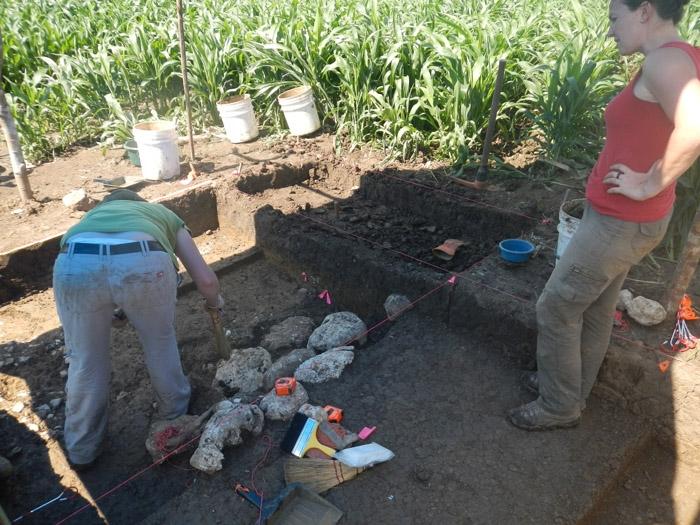
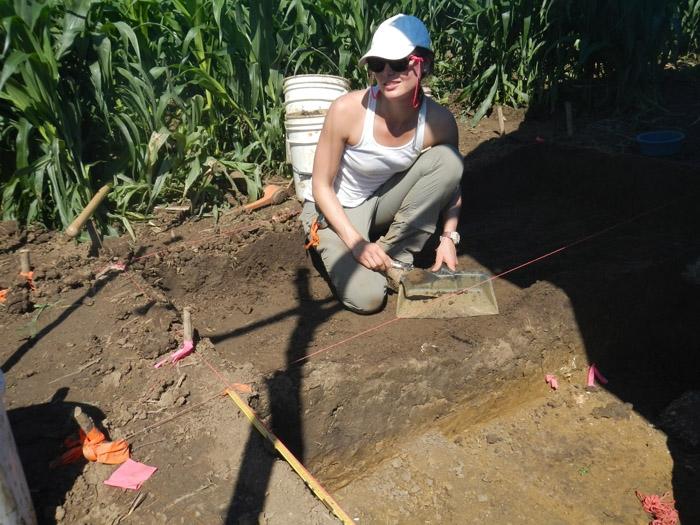
The Archaeological Field School in Belize (ANTH 675) is a 4-credit course that offers undergraduate students hands-on training in all aspects of archaeological field and laboratory techniques. In this intensive three-week program, students gain experience in survey and mapping, field excavations, and laboratory processing, including analyses of both geospatial data and recovered artifacts. They will be trained in mapping and excavating at a range of archaeological sites, including Archaic hunter-gatherer and ancient Maya ruins found in the jungles of the lower Belize River Watershed. This is a UNH-managed COLA Study Abroad program offered to UNH and non-UNH students under the direction of Professor Eleanor Harrison-Buck in the Department of Anthropology at UNH. The program is supported by the Global Education Center at UNH and will be of interest to a wide range of students, including those with interests in archaeology, history, museum studies, geography, geology, forestry and environmental studies, and civil engineering, among other fields.
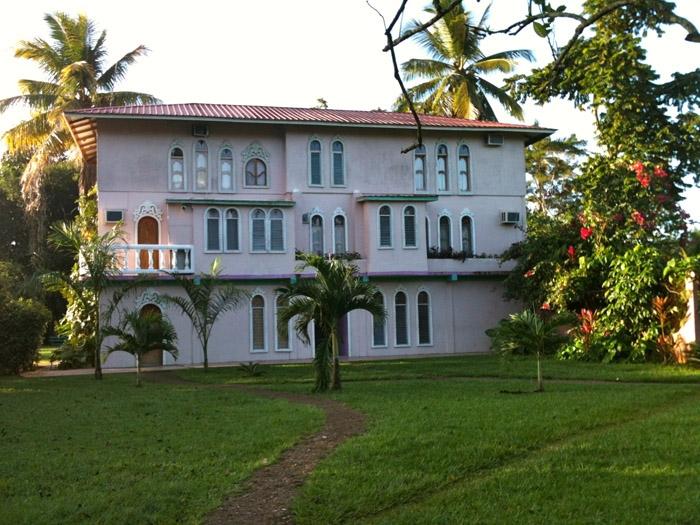
The archaeology field school is based in Belize about 40 minutes north of the international airport. Our base camp will be the Tillett’s Village Lodge, which is located in Crooked Tree village, a small rural Creole community of about 1000 inhabitants. The official language of Belize is English but Creole is also spoken here. The village is situated on an island within the Crooked Tree Wildlife Sanctuary, which is one of the largest inland wetlands in all of Belize teaming with birds, fish, and other wildlife. Surrounded by seasonal lagoons, the village consists of dirt roads and the island itself is only accessible by a causeway about 10 minutes from the Northern Highway.
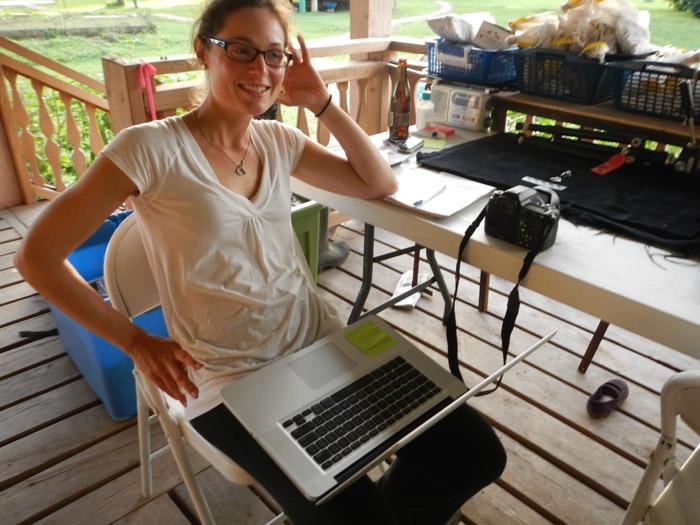
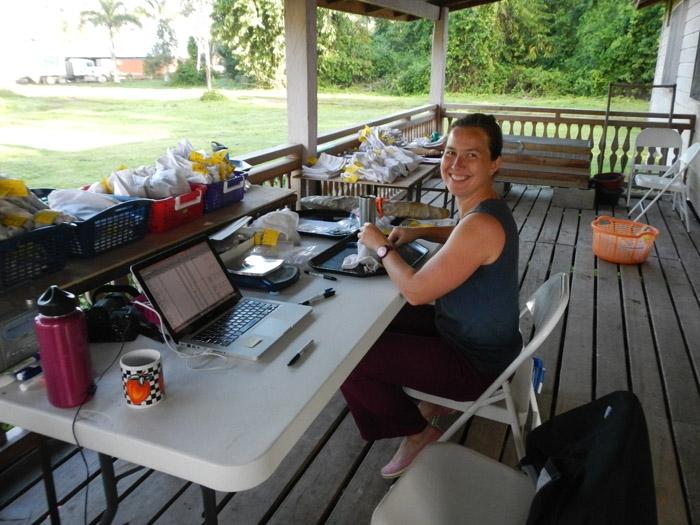
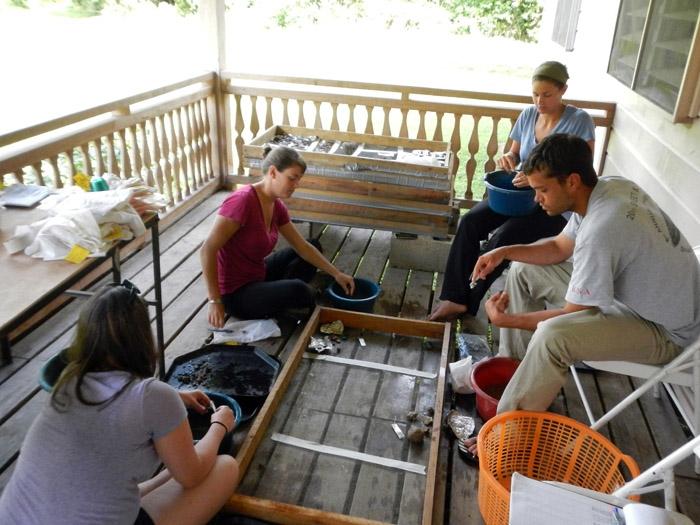
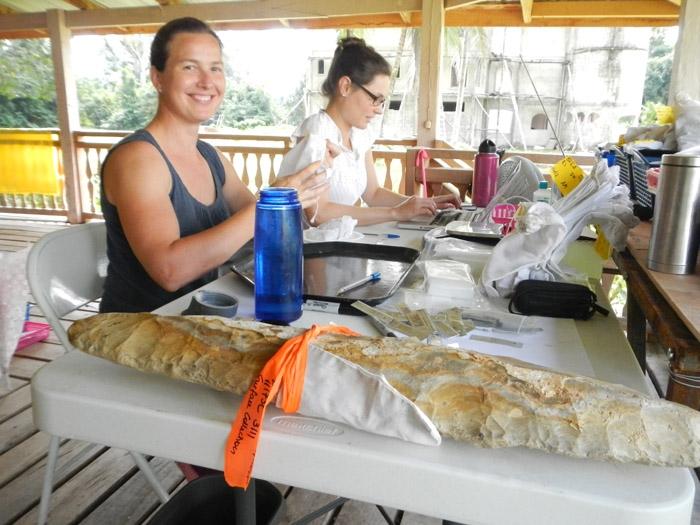
Tillett’s Village Lodge will provide lodging and three meals a day to all field school students and staff, including a daily breakfast, pack lunch for field excursions, and a sit-down dinner in their dining room—a thatch and tin-roofed building. During the day, students will experience hands-on field training in the mapping and excavation of archaeological sites, as well as geospatial analysis and artifact processing in the lab back at the camp. Lectures and labs will be held in the evenings on a variety of topics related to Archaic and ancient Maya civilization, as well as class discussion and hands-on practicums on a range of specialized topics concerning archaeological mapping, geospatial analysis, and field and laboratory techniques analyzing different types of artifacts, such as stone tools, ceramics, and other material culture. Students will receive one-on-one training from Program staff, all professionally trained archaeologists with many years of experience. The program also includes several site tours and optional weekend trips.
apply nowupcoming info sessions and more details
Term Offered
January 2027 Term (Jan. 1 to 17)
Application Deadline
Oct. 1, 2026
Contacts
Eleanor Harrison-Buck
Professor of Anthropology
Belize Archaeological Field School Director
Email: e.harrison-buck@unh.edu
Phone: (603) 862-4742
The faculty director Dr. Eleanor Harrison-Buck has been doing archaeology in Belize for over 25 years and initiated the Belize River East Archaeology (BREA) project in 2011. She will be responsible for all aspects of the field school course, including lectures on archaeology, in-field instruction and supervision, and direction of all laboratory work. Permission to survey and excavate sites in the BREA study area has been granted by the Belize Institute of Archaeology.
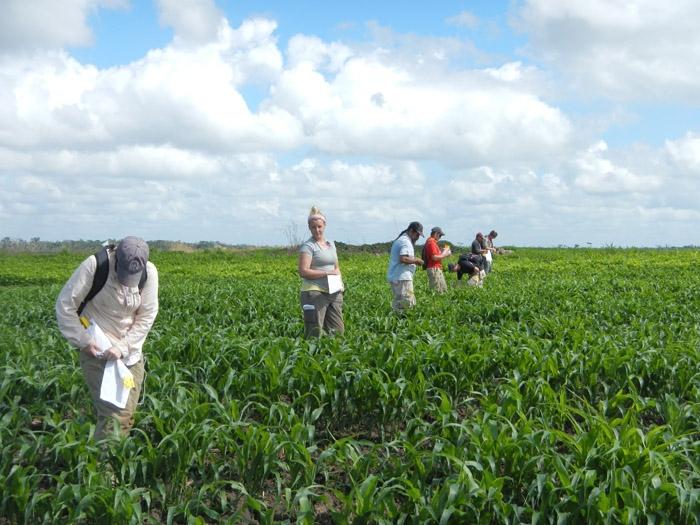
The Archaeological Field School in Belize is part of Dr. Harrison-Buck's ongoing BREA research project, which she co-directs with Dr. Marieka Brouwer Burg, Associate Professor in the Anthropology Department at the University of Vermont. The Field School is not a typical study abroad—the program offers college students a rare opportunity to be active participants in the archaeological investigations of Archaic and ancient Maya sites in the BREA study area. The field school is limited to no more than 12 students. In addition to the Director, the BREA project includes her co-director Dr. Brouwer Burg and a group of staff members who all have graduate-level training in archaeology. Because we keep the field school small, the program offers an incredible staff to student ratio, with intensive, one-on-one instruction in archaeological field and laboratory methods from staff who all have years of field experience and can share their various areas of expertise in archaeology. Field school activities will range from archaeological excavation to laboratory analyses of artifacts from Archaic hunter-gatherer and ancient Maya archaeological sites in the BREA study area. Project vehicles will transport students to and from the archaeological sites and occasionally sites may be accessed via boat. Students will have the opportunity to learn how to excavate, how to draw profiles and plan maps of their excavations, how to record archaeological data, how to process and analyze artifacts in the lab, and how to document previously unrecorded archaeological sites. Students will receive training in not only fieldwork but also lab methods (artifact cleaning and analysis). Course work will include hands-on field and lab work, a field journal, a written exam based on reading and evening lectures, and a final written report based on original field and lab research. The program also includes several site tours of nearby Maya ruins, including the large sites of Altun Ha and Lamanai, as well as optional trips during a free weekend.
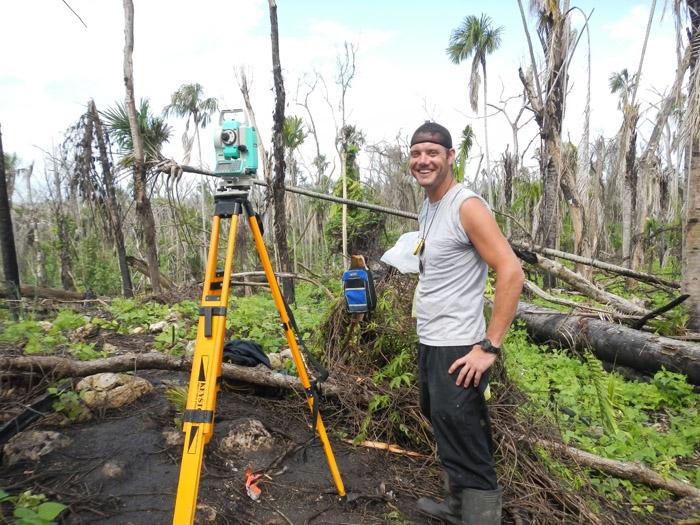
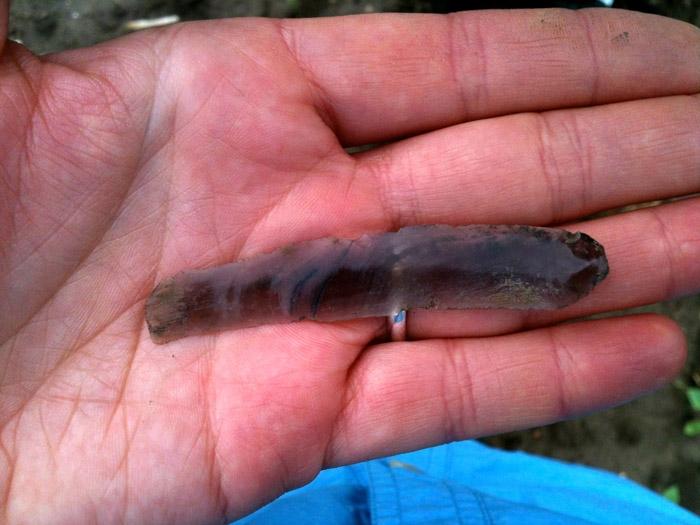
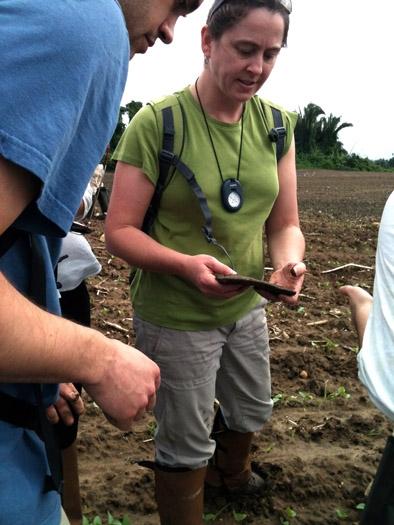
On the field school, students will have the opportunity to learn how to map archaeological sites using a Total Station and RTK GNSS GPS unit. They will be introduced to excavation techniques, including how to draw profiles and plan maps of their excavations and how to record archaeological data in the field. They will also gain exposure in lab methods (artifact cleaning and cataloguing) and how to process and analyze different classes of artifacts (e.g., stone tools, ceramics, and other material culture). Course work will include hands-on field and lab work, a field journal, several quizzes based on reading and evening lectures, and a final lab analysis research report based on original field and lab research. The program also includes several site tours of nearby Maya ruins, including the large sites of Altun Ha and Lamanai, as well as optional trips during a free weekend.
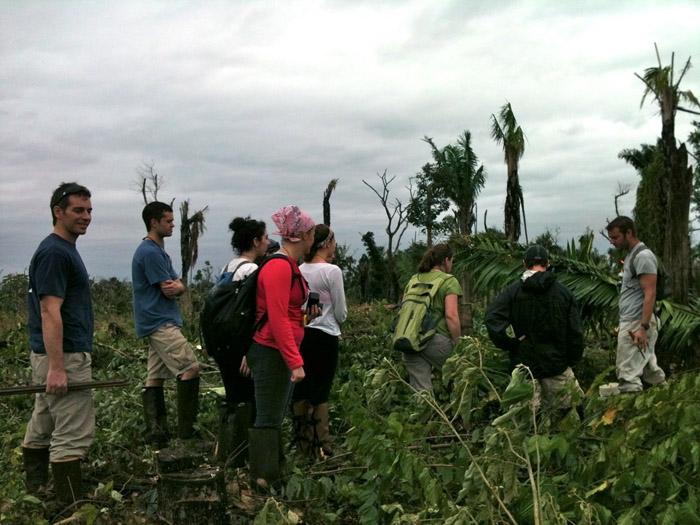
It is important for all prospective participants to be fully aware of the conditions of the field school and expectations of the participants. Students are applying to join an archaeological field research project that is operating in Belize, Central America. This is a culturally diverse country and they will be working under conditions that will likely be quite different from those to which they are accustomed. The project requires all participants to live and cooperate in close quarters with others and involves hard physical labor in a hot, tropical environment, often hiking into remote parts of the jungle and carrying heavy loads. Roads are not always going to be paved and in good condition and some lagoon and riverside sites are only accessible via canoe.
Receiving Credit for the Program:
Students attending the University of New Hampshire are required to enroll in ANTH 675, Archaeological Field School in Belize. Students at other universities can easily be admitted to UNH program for the January term and enroll in the course, but must fill out an application.
ANTH 675 - Archaeological Field School in Belize: Mapping, Excavations, and Lab Analysis:
The Archaeological Field School in Belize is a hands-on course aimed at training students in all aspects of archaeological field and laboratory work. Students gain experience in survey and mapping, field excavations, and laboratory processing, including analyses of both geospatial data and recovered artifacts. The course consists of lectures 2-3 nights/week on a variety of topics related to Archaic and ancient Maya civilization, as well as lecture and class discussion on a range of specialized topics concerning archaeological field and laboratory techniques.
This course will be of interest to a wide range of students, including those studying archaeology, geography, forestry and environmental studies, architecture and urban planning, geology, and geospatial technologies, among other fields.
May be repeated for a maximum of 8 credits.
Tuition and Fees
The following charges will be billed to the student's UNH account for the program. See the "Upcoming Info Sessions and More Details" link above to find fees specific to an upcoming term.
- UNH January Term Tuition for 4 credits
- Program fee (estimated $2,280)
- Other mandatory fees (estimated $165)
*The program fee includes the following:
- All student transportation in Belize once the project begins until it ends
- Excursions to visit several restored archaeological sites (all meals and accommodations)
- Lodging (students will share a cabana with other students)
- Three meals/day 7 days/week while at the lodge
The program fee does NOT include:
- Roundtrip airfare (estimated at $800)
- Other miscellaneous personal expenses.
Photo Gallery