The Saul O Sidore Memorial Lecture Series was established in 1965 in memory of Saul O Sidore of Manchester, New Hampshire. The purpose of the series is to offer the University community and the state of New Hampshire programs that raise critical and sometimes controversial issues facing our society. The University of New Hampshire Center for the Humanities sponsors the programs.
Explore Past Events
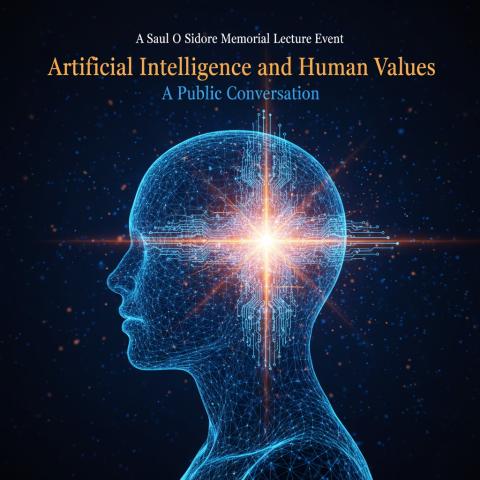
Artificial Intelligence and Human Values: A Public Conversation
Artificial intelligence is no longer a distant or abstract possibility; it is already reshaping how we work, create, decide, and relate to one another. As AI systems grow more powerful and more deeply embedded in social life, a new set of questions demands our attention.
What values should guide these technologies?
Which human capacities should be preserved, transformed, or relinquished?
And who gets to decide?
Presenters:
- Nir Eisikovits, Professor of Philosophy and founder of the Applied Ethics Center at UMass Boston.
- James Hughes, bioethicist, sociologist, co-founder of the Institute for the Ethics of Emerging Technologies and author of Citizen Cyborg.
- Harvey Lederman, co-PI of the AI and Human Objectives Initiative and professor of philosophy at UT Austin;
- Kay Mathieson, Associate Professor of Philosophy at Northeastern University;
- Henry Shevlin, program director of the Leverhulme Centre for the Future of Intelligence at the University of Cambridge;
EVENTS
Thursday, April 2
Location: Portsmouth Music Hall lounge
Each speaker delivered a short lightning talk, followed by a panel discussion moderated by Nir Eisikovits and James Hughes. The discussion was recorded as a live episode of their podcast Prosthetic Gods.
See full schedule for Thursday
Friday, April 3
Location: Paul College G85 and Lobby, UNH Durham campus
We hosted a workshop on campus at UNH, open to the public and the university community. During the workshop, participants gave longer-form talks expanding on ideas introduced the previous evening.
Thank you to everyone who attended the Sidore Symposium on September 26! Videos of the panel discussions are available below...
The symposium offered an expansive view of health and sustainability, posing questions and connections meant to inspire and interrogate ideas about what it means to cultivate a community committed to supporting health, well-being, and sustainability for all.
Human Health, Planetary Health, and What Sustains Us
Saul O Sidore Memorial Lecture Symposium
Friday, September 26, 2025
Strafford Room (MUB)
The first panel discussion (global focus) addressed the following questions: How does the climate crisis impact human and planetary health? What are some of the perspectives, ideas, and solutions we need to ensure health, wellbeing, and sustainability for all, now and into the future?
Dr. Suellen Breakey: Director of the Center for Climate Change, Climate Justice, and Health and a Distinguished Teaching Associate Professor in the School of Nursing at MGH Institute of Health Professions
Dr. Susan Clayton: Whitmore-Williams Professor, The College of Wooster
Stacia Clinton, RDN, LDN: Senior Project Lead, Health Care Without Harm
The afternoon panel session (local focus) addressed the following questions from an NGO/state agency/land grant framework: How does the climate crisis impact human and planetary health here in New Hampshire and New England? What are some of the perspectives, ideas, and solutions we need to ensure health, wellbeing, and sustainability for all, now and into the future?
Grace Kindeke, Program Director, New Hampshire Center for Justice & Equity
Anthony Poore, President & CEO, NH Center for Justice & Equity
Kurt Yuengling, Community Engagement Specialist, NH Department of Environmental Services
The Saul O Sidore Memorial Lecture Series was established in 1965 in memory of Saul O Sidore of Manchester, New Hampshire. The purpose of the series is to offer the University community and the state of New Hampshire programs that raise critical and sometimes controversial issues facing our society. The University of New Hampshire Center for the Humanities sponsors the programs. Lectures are free and open to the public.
2025 Symposium Speaker Bios
Suellen Breakey, Ph.D., RN, is Director of the Center for Climate Change, Climate Justice, and Health, a Distinguished Teaching Associate Professor in the School of Nursing at MGH Institute of Health Professions, and a Fellow in the American Academy of Nursing. Her clinical background includes cardiac surgery, critical care, hospice care, and global health nursing. For over 10 years, she was a leader with Team Heart, a nonprofit organization that provides RHD screening, cardiac surgical care and follow-up, and patient/provider education in Rwanda. Her scholarship interests include the impact of climate change on human health and well-being, bioethics, and global health ethics. Dr. Breakey is a co-author of Global Nursing in the 21st Century, which was published in 2015. She co-chaired the National League for Nursing’s 2022 Vision Statement on Climate Change and Health. Dr. Breakey has published widely and presented locally, regionally, nationally, and internationally.

Susan Clayton, Ph.D., is the Whitmore-Williams Professor at the College of Wooster in Ohio. Dr. Clayton’s research examines people’s relationship with the natural environment, how it is socially constructed, and how climate change affects mental health and well-being, with a particular focus on climate anxiety. She is author or editor of six books, including Identity and the Natural Environment, Conservation Psychology, and Psychology and Climate Change, and is currently the editor of the Cambridge Elements series in Applied Social Psychology. A fellow of the American Psychological Association and the International Association of Applied Psychology, she was a lead author on the Sixth Assessment Report of the Intergovernmental Panel on Climate Change.

Stacia Clinton, RDN. LDN., is founder and principal at Collective Well, bringing experience as a health professional, executive leader, and movement designer to support individuals, groups, and organizations in building inner development skills that foster well-being while achieving mission. Stacia spent nearly two decades in leadership with the global non-profit organization Health Care Without Harm and US-based Practice Greenhealth, spearheading transformative, systems-level initiatives at the intersection of human and environmental health for thousands of health systems worldwide. Currently she is lead planner for Well-Being for Impact, an initiative to create intentional spaces and opportunities that nurture well-being among change-makers by cultivating essential inner development skills necessary for outer impact. She is a contributing author to the book Promoting Biodiversity in Food Systems and her commentary featured in outlets such as National Public Radio (NPR), USA Today, the Washington Post, Time Magazine, and the Lancet.
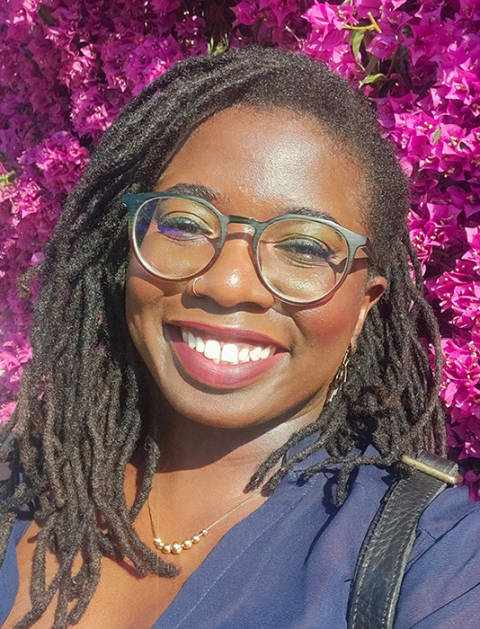
Grace Kindeke, Program Director at the New Hampshire Center for Justice & Equity, is an artist, an immigrant rights activist and racial justice advocate who grounds her work in a Black feminist, Afro-futurist and liberation practice. Born in the Democratic Republic of Congo, she was raised in New Hampshire where she currently lives with her family. For the last five years, she has worked as the Program Coordinator of the American Friends Service Committee NH Program. She holds a double B.A. in Africana Studies and Sociology from the University of Massachusetts, Boston and is the recipient of: the 2017 MIT Infinite Mile Award for Community Building, the 2022 NAACP Youth Excellence in Service award, the 2023 NH Martin Luther King Jr. award, NH Union Leader's 2024 Forty Under 40 and the 2025 UMASS Boston Harriet Tubman award. In her spare time, she is an avid reader who enjoys long walks, musical theater and spending time with loved ones.

Anthony S. Poore, President/CEO, New Hampshire Center for Justice & Equity, has worked in support of transformative systems change and equitable and sustainable communities for more than 33 years as a community organizer and economic development practitioner, academic, workforce housing and public health advocate, policy analyst, researcher and executive. Prior to the launch of the NH Center for Justice & Equity in 2022, Anthony managed AP Consulting Group, working with traditional and non-traditional financial institutions and community-based organizations helping support public-private community economic development projects. From 2018 to 2021, Poore served as the Executive Director of New Hampshire Humanities, an affiliated organization of the National Endowment for the Humanities. From 2010 – 2018, Poore worked with the Federal Reserve Bank of Boston, in a variety of leadership roles, directing research and policy initiatives of the Boston Fed’s Regional and Community Outreach Department. Prior to that, Poore served as the Assistant Dean for Southern New Hampshire University’s School of Economic Development. He currently serves on the Board of Directors for the New Hampshire Housing Finance Authority, and Walden Mutual Bank.
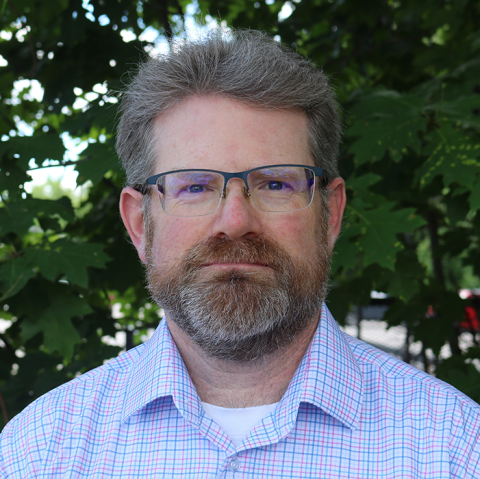
Kurt Yuengling, Community Engagement Specialist, New Hampshire Department of Environmental Services, started with the New Hampshire Department of Environmental Services’ (NHDES) Environmental Health Program in November 2023 in a new Community Engagement position. He works with the NHDES Technical Services team working on climate action planning under the EPA Climate Pollution Reduction Grants (CPRG) program. Prior, Kurt taught earth and environmental sciences at community colleges in Michigan and Arizona, worked as a geologist in Alaska and New Hampshire, and worked in wetlands and stormwater compliance programs at the NHDES and the State of Maine’s Department of Environmental Protection. He received his bachelor’s and master’s degrees in geological sciences from the State University of NY at Geneseo and the University of Alaska Fairbanks.
2023–2024 Parliament Funkadelic
Thank you for joining us for this Sidore Special Event!
what a night!
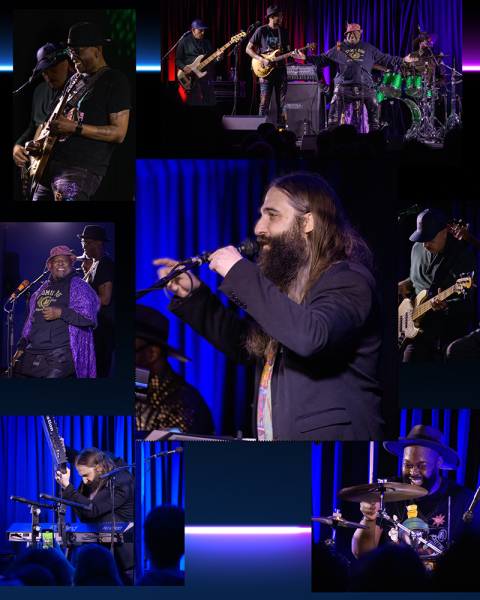
Danny Bedrosian '03 is music director for the pathbreaking Grammy Lifetime Achievement Award-winning funk band George Clinton and the Parliament Funkadelic (as well as their current keyboardist), and author of The Authorized P-Funk Song Reference, 1956-2023, on the band’s musical catalogue.
In November of 2023, he brought four other members of the band (Lige Curry, Benjamin Cowen, Kevin Oliver and musical legend George Clinton) to campus for a once-in-a-lifetime concert for the UNH and local community in the Granite State Room, providing a living history lesson on the band's musical evolution and decades of influence.
While on campus, Bedrosian also conducted a master class in PCAC and gave a talk about the history of Parliament Funkadelic in Hamilton Smith.


2022–2023 Ethics of Encounter
See new open access volume edited by Sidore symposium organizers Adam Warren (University of Washington), Julia E. Rodriguez (University of New Hampshire), Stephen T. Casper (Clarkson University, New York)
Empire, Colonialism, and the Human Sciences Troubling Encounters in the Americas and Pacific
Dunfey/Sidore Symposium 2023
A public event exploring ethical, collaborative, and reparative aspects of social scientists’ research and teaching and the curated and community spaces they inhabit

The Library of UNAM, Mexico by "hummanna" (built by Juan O'Gorman). This file is licensed under the Creative Commons Attribution 2.0 Generic license
The Library of UNAM, Mexico by "hummanna" (built by Juan O'Gorman). This file is licensed under the Creative Commons Attribution 2.0 Generic license
The Dunfey Endowment for the Study of History was established in 1994 from a generous gift of the estate of William L. Dunfey; the Endowment supports conferences and lecture series on major topics of national and international significance of interest to the UNH History Department faculty, students, and the public.
The Saul O Sidore Memorial Lecture Series was established in 1965 in memory of Saul O Sidore of Manchester, New Hampshire. The purpose of the series is to offer the University community and the state of New Hampshire programs that raise critical and sometimes controversial issues facing our society. The University of New Hampshire Center for the Humanities sponsors the programs. Lectures are free and open to the public.
The UNH Center for the Humanities gratefully acknowledges our organizing partners, the UNH History Department, especially Dr. Julia Rodriguez (UNH), and Dr. Adam Warren (University of Washington) and Dr. Stephen Casper (Clarkson University). We would also like to thank Rachel Nott and Lily Pudlo for invaluable administrative and promotional support.
UNH Land, Water, and Life Acknowledgement
As we all journey on the trail of life, we wish to acknowledge the spiritual and physical connection the Pennacook, Abenaki, and Wabanaki Peoples have maintained to N’dakinna (homeland) and the aki (land), nebi (water), olakwika (flora), and awaasak (fauna) which the University of New Hampshire community is honored to steward today. We also acknowledge the hardships they continue to endure after the loss of unceded homelands and champion the university’s responsibility to foster relationships and opportunities that strengthen the well-being of the Indigenous People who carry forward the traditions of their ancestors.
SCHEDULE AND PRESENTER BIOS
Day One: Thursday, March 30 (UNH Campus)
4:30–6:00 PM, Strafford Room, MUB
OPENING KEYNOTE: “Encountering Kin, Encountering Truth: Indigenous Archaeology as Restorative Justice” by Dr. Kisha Supernant
Dr. Kisha Supernant
Meet the Indigenous archaeologist who is tracking down missing Indigenous children who were forced from their homes into residential schools, the last of which closed in 1996. Read more about Dr. Supernant at The Indigenous Archaeologist Looking for Residential School Graves in Canada - The New York Times (nytimes.com).
There is no registration required for the Thursday keynote. All are welcome.
Day Two: Friday, March 31 (Browne Center)
8:30–9:00 Coffee & pastries
9:00–9:30 Opening welcomes & remarks
9:30–10:30 "Oyate, Turtle Island, USA: Ethical implications of Representation" by Dr. Kiara Vigil
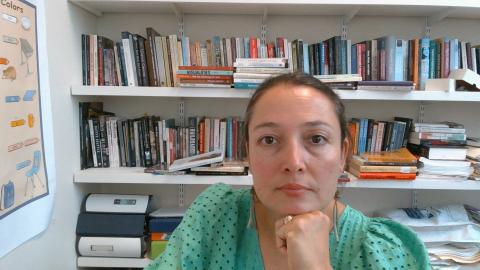
Kiara M. Vigil (Dakota, Mexican, and white heritage) is an associate professor of American Studies at Amherst College, where she specializes in teaching and research related to Native American history, literature, and culture. She is the author of Indigenous Intellectuals: Sovereignty, Citizenship, and the American Imagination, 1890-1930, published by Cambridge University Press (2015). Her new book, Natives in Transit: Indian Entertainment, Urban Life, and Activism is a cultural history of Native performance and activist networks from the mid-twentieth century, and features the story of her great-grandfather the Dakota actor “Shooting Star.” Most recently, Kiara received a Mellon Foundation “New Directions” Grant to support her foray into learning the Dakota language while working alongside Dakota language experts and teachers to provide new translations of rare Dakota-only texts (like the newspaper “Iapi Oaye”) from the 19th century. These translations and accompanying annotations, as well as, historical and literary analyses, will be publicly accessible in a website for: scholars, language learners, and anyone interested in learning more about the history of Dakota culture, history, linguistics, people, and events.
11:00–12:30 Roundtable 1: Ethical Practices in Research
Panelists: Dr. Christine DeLucia (bio), Dr. Jonathan Sadowsky (bio), Dr. Laura Stark (bio), Dr. Rosanna Dent (bio)
12:30–1:30 Lunch provided for all participants
1:30–3:00 Roundtable 2: Ethical Practices in Teaching
Panelists: Dr. Mishy Lesser (bio), Kristine Malpica, M.A. (bio), Dr. Sebastián Gil-Riaño (bio)
3:00–3:30 Coffee Break
3:30–4:15 Community Roundtable/Teaching Circle
Led by students from the UNH Civil Discourse Lab
Day Three: Saturday, April 1 (Browne Center)
8:30–9:00 Coffee & pastries
9:00–9:15 Opening welcomes & remarks
9:30-10:30 "When Knowledge Creates Ignorance: Forensic Data and Misidentification in Chile" by Dr. Eden Medina
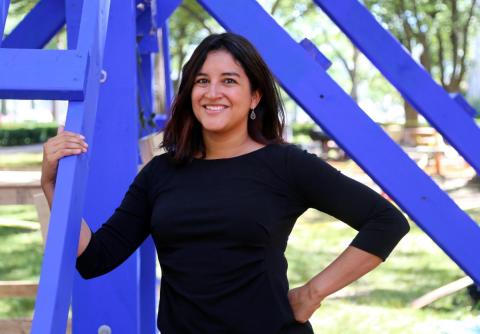
Eden Medina is Associate Professor of Science, Technology, and Society at MIT. Her research uses the history of science and technology as a way to understand processes of political change, especially in Latin America. She combines history, science and technology studies, and Latin American studies in her writings. She is currently at work on a book project, "The Remains of Dictatorship: Forensic Identification and Error in Chile's Democratic Transition ." See more at Home | Eden Medina (mit.edu).
10:45 am–12:15 Roundtable 3: Ethical Practices in Museums
Panelists: Dr. Alix Martin (bio), Dr. Christopher Heaney (bio), Dr. Sandra Rozental (bio), Dr. Akeia de Barros Gomes (bio)
12:30 –1:30 Lunch provided for all participants
1:30 –3:00 Roundtable 4: Ethical Practices in Communities
Panelists: Dr. Rebecca Pelky (bio), Dr. Araceli Hernández-Laroche (bio), Sandra Kaddy (President, Seacoast African American Cultural Center)
3:00-3:30 Coffee Break
3:30-4:15 Community roundtable/Teaching circle
Led by Denise Pouliot (bio), the Sag8moskwa (Head Female Speaker) of the Cowasuck Band of the Pennacook-Abenaki People, and Paul Pouliot (bio), Sag8mo (Head Male Speaker/Grand Chief) of the Cowasuck Band of the Pennacook-Abenaki People.
Aging in America: Justice for All?
The 2021–2022 Sidore Lecture Series
The COVID-19 pandemic has once again revealed to the broader population that, while we are all aging and older adults are core members of our communities, older adults also face major social and health related disparities. In the US, aging is often seen not as something to honor and revere but as something to fight and avoid. This cultural reluctance to embrace aging, and failure to see diversity and different needs of older adults has resulted in structures and systems that do not adequately support people as they age nor their families and caregivers. This leaves older adults, family systems, and our communities multiply vulnerable. For many older people of color, LGBTQ older adults, and others, these barriers are heightened by disadvantages accumulated across a lifetime, such as inequities associated with racial, socioeconomic, and educational status. This lecture series is intended to examine these disparities, which are woven into the current fabric of our society and spark considerations for new systems—ones designed to honor, celebrate, and care for our older adults.
The 2021–2022 Saul O Sidore Memorial Lecture Series, “Aging in America: Justice for All?”, explores changing demographics in the US and how long-standing age-related biases in our society affect our health and well-being with the aim to broaden our understanding and awareness of agism as it intersects with racism, gender, sexuality, and class. It also celebrates the diversity of older adults and how attention to aging and disability can innovate and improve how we design, inhabit, and grow more sustainable communities. Speakers in the series aim to stimulate conversations among the UNH and broader communities about the roles we each play in creating the environment we want to age in—now and in the future. In this vein, our sessions include both keynote speakers and community-based panel sessions with area older adults, governmental and private service providers, and others. The resulting conversations will endeavor to empower individuals, UNH, and the greater community, to capitalize on the positive aspects of aging and build person-centered systems and communities that support all of us as we age.
LGBTQIA+ The Social Injustice of Being Forced Back in the Closet (Previously held April 13, 3:30PM -5:00pm, 2022)
Learn More About Theme and Speakers for This Session
co-sponsored by Phi Beta Kappa...Rosemarie Garland-Thomson, Distinguished Guest Lecture: Building a World that Includes Disability (Previously Held March 24, 2022)
Learn More About Theme and Speakers for this Session
design for Aging: Engineering, Accessibility, and Intergenerational Partnerships (Previously held March 3, 2022)
Learn More About Theme and Speakers for this Session
Aging in Place: Black Perspectives (previously held Feb 8, 2022)
Learn More About Theme and Speakers for this Session
Caregiving: Honor and Burden, Contributions, and Impact (previously held November 9, 2021)
Learn More About Theme and Speakers for this Session
Aging in America: We Are All in This Together (Previously held Oct 6, 2021)
This session set the context of aging in the United States by framing changing demographics, the impact of the COVID-19 pandemic on marginalized groups, and the role we all play in shaping our own future as aging adults. Learn more about this session and keynote speaker Margaret Franckhauser.

Graphic Recording - Live Mural Making
Kate Crary is a Project Director with UNH’s Institute for Health Policy and Practice. Her work includes policy analysis, project management, group and organizational strategic planning, and curriculum delivery and development. In addition to this work, Kate serves as a Person-Centered Systems and Planning Educator for the Center on Aging and Community Living. She is also a certified long-term care Ombudsman, and much of her work focuses on person-centered systems change, and resident’s rights. A life-long artist, Kate has been developing and sharing her graphic recording skills for more than 7 years throughout New England.
For this year’s Sidore Lecture Series, Kate will be creating unique artwork for each session. This artwork will be created live during each presentation, and will be in mural-sized. Each art work will flow into the next, creating a final, large scale, immersive mural at the end of the series, capturing the spirit and intention of Aging In America: Justice For All?
The series is being organized by Casey Golomski (Associate Professor of Anthropology), Allison Wilder (Faculty Fellow, UNH Center on Aging and Community Living and Associate Professor, UNH Department of Recreation Management and Policy), Laura Davie (Director of Long Term Care and Aging/Co-Director Center on Aging and Community Living, UNH Institute for Health Policy and Practice), Jennifer Rabalais (Project Director/Co-Director, Center on Aging and Community Living, UNH Institute on Disability Project Director), Allyson Ryder (Assistant Director, UNH Office of Community, Equity and Diversity), and Kate Crary (Project Director, UNH Institute for Health Policy and Practice and Center on Aging and Community Living).
The Saul O Sidore Memorial Lecture Series was established in 1965 in memory of Saul O Sidore of Manchester, New Hampshire. The purpose of the series is to offer the University community and the state of New Hampshire programs that raise critical and sometimes controversial issues facing our society. The University of New Hampshire Center for the Humanities sponsors the programs.
2020-21 Honoring the Mother of All People
"Honoring the Mother of All People: Contemporary Indigenous Leadership in Revitalizing Environmental and Cultural Sustainability" will consider how Indigenous knowledge and cultural heritage can deepen our thinking about sustainable futures.
VIDEOS OF EVENTS:

Video: “The Council” A Dramatic Reading. Held May 27, 2021.
by William Yellow Robe Jr., Playwright & Director
featuring John Scott-Richardson, Danielle Soames, and Albert "Abby" Ybarra; music by Charlie Jennison
This event will center on the dramatic reading of the play “The Council” by William Yellow Robe Jr., a member of the Assiniboine and Sioux Tribes raised on the Fort Peck Indian Reservation in Montana. “The Council” describes the struggle of (hu)man to recognize his relationship among animals and potential for destructive power. The dramatic reading of the play will be followed by a panel discussion with the actors relating the themes of the play to contemporary issues in environmental sustainability and climate change.
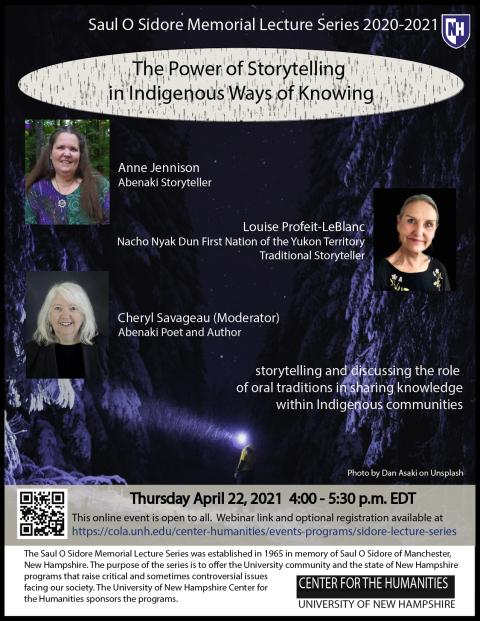
Video: The Power of Storytelling in Indigenous Ways of Knowing. Held April 22, 2021.
This event will highlight the power of storytelling and oral traditions in sharing knowledge within Indigenous communities. Anne Jennison, an Abenaki storyteller and UNH alumna, has been telling Native American stories and teaching throughout New England for over three decades. Louise Profeit-LeBlanc, a Traditional Storyteller from the Nacho Nyak Dun First Nation of the Yukon Territory in Northern Canada, is founder of the Yukon International Storytelling Festival and the Society of Yukon Artists of Native Ancestry.
Panelists: Anne Jennison, Abenaki Storyteller; Louise Profeit-LeBlanc, Nacho Nyak Dun First Nation of the Yukon Territory Traditional Storyteller; Cheryl Savageau (Moderator), Abenaki Poet and Author
Video: Co-Producing Knowledge for a Sustainable World. Held March 30, 2021.
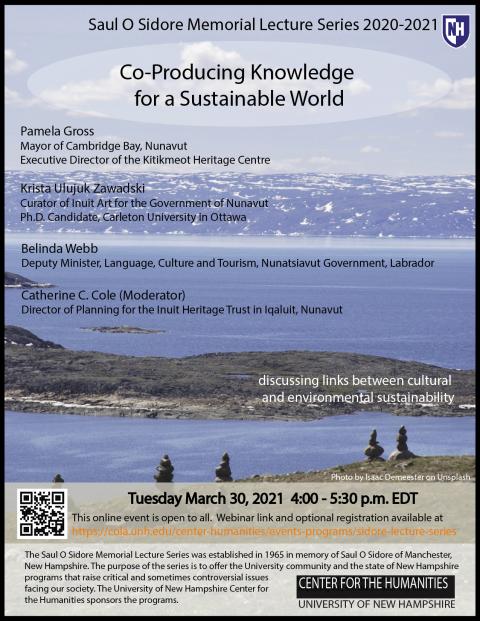
This panel will highlight Arctic voices discussing links between cultural and environmental sustainability. The goal is to provide New Hampshire residents with a better understanding of how sustainable futures in the North connect with our own experiences.
Panelists: Catherine C Cole (Moderator), Director of Planning for the Inuit Heritage Trust in Iqaluit, Nunavut; Belinda Webb, Deputy Minister, Language, Culture and Tourism, ?Nunatsiavut Government, Labrador; Krista Ulujuk Zawadski, Curator of Inuit Art for the Government of Nunavut and a PhD candidate at Carleton University in Ottawa; Pamela Gross, Mayor of Cambridge Bay, Nunavut and Executive Director of the Kitikmeot Heritage Centre.
Video: Decolonizing Science: Centering Indigenous Science, Methodologies, and Practices. Held February 24, 2021.
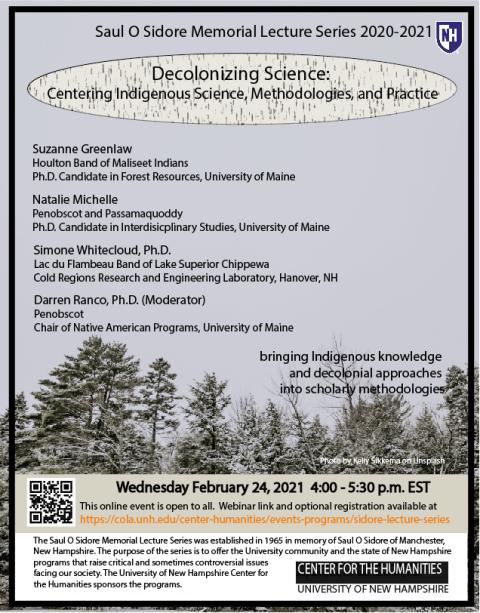
Decolonizing requires us to recognize the limits of Western science and reconcile academic research with Indigenous ways of knowing. This panel will showcase efforts within our region to bring Indigenous knowledge and decolonial approaches into scholarly methodologies, including the collection, stewardship, and analysis of data from Native lands.
Panelists: Darren Ranco, PhD (Penobscot), Chair of Native American Programs, University of Maine (panel moderator); Simone Whitecloud, PhD, Lac du Flambeau Band of Lake Superior Chippewa, Research Ecologist, Cold Regions Research and Engineering Laboratory, Hanover, NH; Suzanne Greenlaw, Houlton Band of Maliseet Indians, Ph.D. Candidate in Forest Resources, University of Maine; Natalie Michelle, Penobscot and Passamaquoddy, Ph.D. Candidate in Interdisciplinary Studies, University of Maine.
Video: Contemporary Indigenous Peoples of New Hampshire: Honoring Mother Earth through Sustainability. Held Nov. 23, 2020.
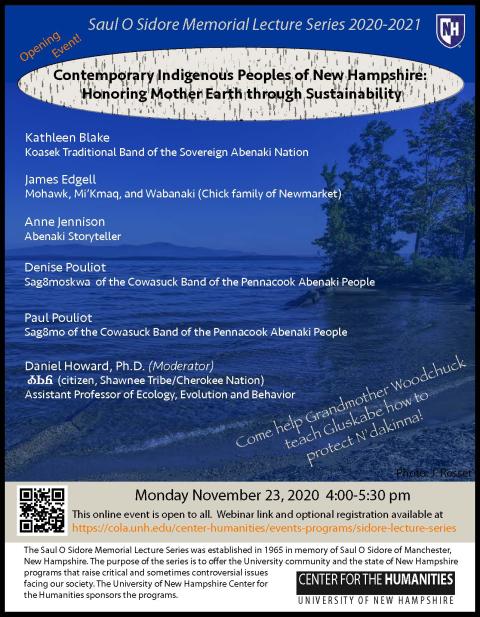
Theme of the Discussion: There is a growing movement to reframe New Hampshire’s history, correcting a common misconception in history books that the Native Peoples of New Hampshire perished with colonization. This panel will celebrate the Native Peoples living among us today, including the Cowasuck Abenaki and related Pennacook communities. Panelists will describe N’Dakinna (Our Homelands) and the relationship between the people of the region and their environment, including places within the New Hampshire landscape that we all recognize. They will consider the meaning of sustainability from an Indigenous perspective in relation to both culture and the environment in our region, including topics such as climate change, air and water pollution, resilient ecosystems, and food security. Finally, we will ask what Native Peoples of New Hampshire need from the citizens and institutions of New Hampshire in order to continue to practice, reclaim, and share (when appropriate) the Indigenous knowledge and practices of both ancestors and contemporaries.
Panelists: Kathleen Blake, Koasek Band of the Sovereign Abenaki Nation; James Edgell, Mohawk, Mi’Kmaq, and Wabanaki (Chick family of Newmarket); Anne Jennison, Abenaki Storyteller; Denise Pouliot, Sag8moskwa of the Cowasuck Band of the Pennacook Abenaki People; Paul Pouliot, Sag8mo of the Cowasuck Band of the Pennacook Abenaki People; Daniel Howard, Ph.D. (Moderator), citizen of Shawnee Tribe/Cherokee Nation, Assistant Professor of Ecology, Evolution and Behavior at UNH.
The Saul O Sidore Memorial Lecture Series was established in 1965 in memory of Saul O Sidore of Manchester, New Hampshire. The purpose of the series is to offer the University community and the state of New Hampshire programs that raise critical and sometimes controversial issues facing our society. The University of New Hampshire Center for the Humanities sponsors the programs.
2019 -20 Exploring Mass Incarceration in New Hampshire and the United States
The Saul O Sidore Memorial Lecture Series was established in 1965 in memory of Saul O Sidore of Manchester, New Hampshire. The purpose of the series is to offer the University community and the state of New Hampshire programs that raise critical and sometimes controversial issues facing our society. The University of New Hampshire Center for the Humanities sponsors the programs.
Events are free and open to the public.
1. What Is a Criminal? (Roundtable Discussion)
September 17, 5:00-7:00 PM
MUB Theater I
Our introductory session convenes a panel of UNH faculty and affiliates to lead an interactive discussion about the big questions of criminality. Who decides what crime is? Why does the United States incarcerate so many people? What is the purpose of punishment? How is the concept of personal responsibility affected by contexts of trauma, oppression, and mental illness? What responsibility does society have toward people who break the law?
Ted Kirkpatrick, Dean of Students, University of New Hampshire
John T. Kirkpatrick, a criminologist, earned his baccalaureate degree at Colby College in 1977 and his PhD in sociology in 1983 from the University of New Hampshire. Over the course of his career, he has served as a juvenile case worker, correctional officer in a maximum security prison for men, trained with municipal police officers at a state academy, conducted a comprehensive study of female criminal homicide, founded and ran a criminal justice research group, and worked for over thirty years with students at risk at the University of New Hampshire in his role as Associate Dean of the College of Liberal Arts. Kirkpatrick now serves as Senior Vice Provost for Student Life and Dean of Students. His research interests included criminal homicide, information sharing in the justice system, and emergency preparedness and response systems in the post-9/11 world.
Blair Rowlett, Director, Strafford County Community Corrections
Blair Rowlett earned her Dual Bachelor’s Degree in Psychology and Justice Studies from the University of New Hampshire in 2005. Shortly after graduation, she began her career at the Strafford County House of Corrections where she has become a decorated Correctional Officer. She then pursued a position with the Community Corrections Program to effect more positive change in the local criminal justice system, with a focus on the mentally ill population. Ms. Rowlett currently serves as the Director of the Strafford County – Rochester Mental Health Court. The program is designed to reduce recidivism, promote engagement in treatment, and improve the quality of life for its participants and their communities. Ms. Rowlett is a Mental Health First Aid instructor, a Trauma-Informed Response Instructor for Law Enforcement, and has created a curriculum for new Correctional Officers called “Mental Health and the Criminal Justice System.” She also speaks with local high school students about the programs offered in Strafford County and the importance of understanding how mental illness and the legal system intersect.
Amy Vorenberg, Clinical Professor, UNH Law
Amy Vorenberg was the founding director of UNH Law’s Criminal Practice Clinic and currently directs the Legal Writing Program. She began her legal career in New York as a Manhattan Assistant District Attorney. Later she worked as an Assistant Attorney General in New Hampshire before moving to the NH Public Defender’s office. She served for ten years on the New Hampshire Adult Parole Board. Professor Vorenberg’s teaching and research areas include Criminal Law, and Legal Analysis and Writing. She is currently co-authoring a textbook called Sexual Violence and the Law.
Dave Kurz, Chief of Police, Durham, New Hampshire
2. Paying for Crime: New Hampshire Budget and Policy Priorities in Theory and Practice
October 15, 5:00-7:00 PM
MUB Theater II
This panel will look for New Hampshire’s answer to the question “What is a criminal?” in the statements made by its budget and policies.
Helen Hanks, Commissioner, New Hampshire Department of Corrections
Since 2017 Commissioner Hanks, New Hampshire’s first female commissioner of corrections, has overseen the state’s three prisons as well as its probation offices and transitional housing. She previously served in the Medical and Psychiatric Services department of the NH Department of Corrections.
Christopher Keating, Director, Administrative Office of the Courts, State of New Hampshire
Christopher Keating has been Director of New Hampshire’s Administrative Office of the Courts since 2016. Previously, he oversaw New Hampshire’s indigent-defense delivery system as the director of the Judicial Council, where he was responsible for the agency’s $25 million budget and was an advocate on behalf of adequate funding for legal services and equal access to justice. He began his career as a public defender in 1992, was the managing attorney of two rural public-defender offices in the North Country, and served for 11 years as executive director of the statewide Public Defender Program.
Chris Brackett, Superintendent, Strafford County Jail
In his role overseeing the Strafford County Jail, Captain Brackett is in a position to discuss how state policies affect (in intended and unintended ways) life on the ground in the correctional system. Captain Brackett has worked with the “What Is a Criminal?” course in the past, and impressed us with his thoughtfulness and candor regarding the trade-offs inherent in the justice system. The Strafford County Jail includes a “therapeutic living community,” which Brackett oversees and budgets for.
3. Criminal Minds: Substance Use and Mental Health in the Justice System
December 3, 5:00-7:00 PM
MUB Theater II
It has become a commonplace that prisons are now our country’s largest mental health facilities. The rate of mental illness (including substance-use disorders) in prisons and jails is estimated to be between double and quadruple that in the general population. New Hampshire has the sad distinction of being at the bottom in the nation’s rankings of mental health and addiction recovery access; many of our state’s mentally ill people are being “treated” by the correctional system. Understanding the definition of a criminal requires understanding the role of mental illness.
Anne E. Parsons, Associate Professor of History and Director of Public History, University of North Carolina at Greensboro
Professor Parson’s new book, From Asylum to Prison: Deinstitutionalization and the Rise of Mass Incarceration after 1945 (UNC Press, 2018), analyzes the connections between the politics of incarceration and the deinstitutionalization movement of the mid-twentieth century. Her work emphasizes how the lack of community health services and the fear of mental illness created an epidemic of mental illness within the prison system.
Tom Velardi, Strafford County Attorney
Attorney Velardi oversees criminal prosecutions (with the exception of murder cases) in Strafford County. He has been a prosecutor in New Hampshire for over 20 years, and has helped to create alternatives to incarceration. He is a founding member and team member of the Circuit Court Mental Health Court in Rochester, and a team member on the Strafford County Adult Treatment Court. He also created the Habitual Offender Academy, which helps people with criminal records regain driving privileges.
Joseph Lascaze, ACLU-NH
Joseph Lascaze is the Smart Justice Organizer for the ACLU of New Hampshire. Having over 10 years of firsthand experience with the incarceration system, Joseph’s work now focuses on advocating for criminal justice reform in New Hampshire. A wholehearted believer in the power of community building, Joseph’s work is founded on the notion that those impacted by the incarceration system are best positioned to lead reforms of it. Under the ACLU’s Smart Justice Campaign, he has collaborated on various initiatives with the NAACP, #cut50 and Lyft.
4. College Behind Bars Screening and Discussion
January 28, 5:00-7:00 PM
MUB Theater II
College Behind Bars, a four-part documentary film series directed by award-winning filmmaker Lynn Novick, produced by Sarah Botstein, and executive produced by Ken Burns, tells the story of a small group of incarcerated men and women struggling to earn college degrees and turn their lives around in one of the most rigorous and effective prison education programs in the United States, the Bard Prison Initiative. We will be showing a one-hour condensed version of the series, followed by a discussion with an alumnus of the program.
Featured Speaker: Giovannie Hernandez (Bard College ’17)
In his own words: “I was incarcerated for 11 years and 6 months. While in prison, I earned a GED, completed vocational training and satisfied other mandatory programs. None of this was as meaningful or as transformative as my pursuit of higher education.
“For most, prison is an experience without purpose. It is traumatic, exhausting and emotionally and physically damaging. Because our criminal justice system prioritizes punishment over genuine rehabilitation, prison often does not adequately prepare people to return to society. But I got lucky. While incarcerated at New York’s Eastern correctional facility, I was able to attend college through the Bard Prison Initiative (BPI). It was one of the hardest challenges of my life. I took the same classes as students at Bard College — a private, liberal arts school in Hudson, New York.
“My educational experience before then had been almost entirely prescriptive. I knew school as a place where educators told me what to memorize, what to think, what to know. It did little more than make me a passive learner, a receptacle for information.”[1]
Mr. Hernandez now works as an Operations Manager for the Code Cooperative, a community of people who learn, use, and build technology to create life changing possibilities for individuals and communities impacted by incarceration.
[1] https://bpi.bard.edu/tags/giovannie-hernandez/
5. Scholar-Inmates: Learning while Incarcerated
February 12, 5:00-7:00 PM
MUB Theater I
Panelists will discuss models of creating connections between institutions of higher education and correctional facilities. Such programs emphasize that incarcerated people are also learners, and that they have much to teach students and faculty at colleges and universities.
Kathryn J. Fox, Professor of Sociology and Director, Liberal Arts in Prison Program, University of Vermont
Professor Fox studies social control and punishment, and her recent work has focused on outcomes in offender reentry programs. UVM was the first public institution to join the Bard College Consortium for the Liberal Arts in Prison; as one of UNH’s peer institutions, its experience is especially relevant to our audience.
Jeri Kirby, Assistant Professor of Criminal Justice, Fairmont State University
Professor Kirby earned her Ph.D. in Political Science from West Virginia University and is currently an Assistant Professor of Criminal Justice and Chair of the Social Science Department at Fairmont State University in Fairmont, West Virginia. Dr. Kirby has a 20-year history of life and studies in incarceration, beginning with her own incarceration in the federal system from 1992-1994. After Dr. Kirby’s release, she quickly began her education with the focus of understanding and changing correctional policy. After being introduced to Inside-Out Program in 2008, she became certified and started her career as an educator behind the walls of prisons. She currently serves as the WV State and Federal Coordinator for the Inside-Out Prison Exchange Program and is a member of Convict Criminology.
Courtney Marshall, English Teacher, Phillips Exeter Academy
Committed to opening dialogues about race, gender and social justice issues, Courtney Marshall is an advocate for prison reform and is writing her first book, titled Apprehending Black Womanhood: Citizenship and the Carceral State. Since 2011, she has led literacy groups at the Northern New Hampshire Correctional Facility in Berlin, in hopes of improving prison life by bringing literature to inmates.
6. Could-Be Criminals: Strategies for Diversion
March 3, 5:00-7:00 PM
MUB Theater II
This panel will focus on efforts to block the many roads to prison. A potential benefit of exploring “what is a criminal” is that it becomes clear which people are most likely to gain that title. While diversion programs receive far less attention and support than incarceration, they shine a light on who becomes a criminal and what it takes to prevent that outcome.
Chief John Drury, Farmington Police
Chief Drury, in collaboration with the Dover Police Department, is overseeing a two-year pilot of the LEAD (Law-Enforcement Assisted Diversion) program. This program encourages alternatives to arrest for some lawbreakers, especially for crimes that result from substance misuse. Under the program, police officers may refer offenders to recovery programs or help them find housing rather than jailing them.
The Honorable Tina Nadeau (UNH ’85), Chief Justice, New Hampshire Superior Court
Chief Justice Nadeau oversaw the creation of New Hampshire’s first drug treatment court (in Strafford County) in 2006. Justice Nadeau is currently a board member of the New England Association of Drug Court Professionals, and New Futures, a nonpartisan, nonprofit organization that advocates, educates and collaborates to prevent and reduce alcohol and other drug problems in New Hampshire.
Carrie Conway
Criminal Justice Programming Coordinator, Strafford County
Carrie Conway is the Criminal Justice Programming Coordinator for Strafford County, overseeing Drug Court, Mental Health Court, Habitual Offender Academy, and Transitional Housing. She also supervises Community Corrections, such as pre- and post-trial bail release programs, oversees grants for such programs as the Supervised Visitation Center and the Family Justice Center. Ms. Conway holds a Bachelor of Science degree in Social Work from Plymouth State College and Master of Social Work degree from the University of New England. She is a Certified Correctional Officer and Certified Public Manager.
7. Returning Citizens: Reentry and Reintegration of Formerly Incarcerated People
Online via Zoom - To register and receive the Zoom meeting ID, visit our website: https://whatisacriminal.org/
April 7, 5:00-7:00 PM
Donald Perry, Project Operation Change, Massachusetts
Donald Perry holds a Bachelor of Arts degree from the University of Massachusetts and is the 2016 recipient of the Criminal Justice Policy Coalition’s Peg Erlanger Award for his work toward criminal justice reform. He is the founder of Project Operation Change, a statewide campaign in Massachusetts advocating for parole reform. In 2018, he was chosen to participate in the Leading with Conviction Program at John Jay University in Manhattan. The LWC Program is sponsored by JustLeadershipUSA, an organization that supports and trains formerly incarcerated people to become stronger and more effective leaders.
Valena Beety, Esq., Professor of Law and Founding Director, Innocence Project, West Virginia University
Ms. Beety’s work with the Innocence Project, which works to overturn wrongful convictions, gives her a special perspective on reentry. Her successful clients are retrospectively declared not to have been criminals, but they have served time in prison. The challenges they face upon reentry demonstrate the effects of prison itself, rather than the lasting label of criminal conviction.
Albert Scherr, Professor of Law, UNH School of Law
Professor Scherr is a nationally recognized authority on forensic DNA evidence and genetic privacy. He is a past president of the New Hampshire Civil Liberties Union, and a former member of the ACLU’s national Board of Directors. He has lectured and taught on criminal law and on genetic privacy issues across the country to judges, lawyers and graduate and undergraduate students. He consults regularly with NH legislators on criminal justice reform and privacy issues.
Please visit our Contact page if you’d like to receive email updates about the series.
Contextualizing and Reframing the Opioid Crisis in New Hampshire
Interdisciplinary Perspectives on Policy, Practice, and Discourse
Fall 2018
Conceptualizing the Problem
Thursday, September 13
5:30 p.m., MUB Theatre II
Why New Hampshire? The Opioid Crisis in Context
Panel Discussion
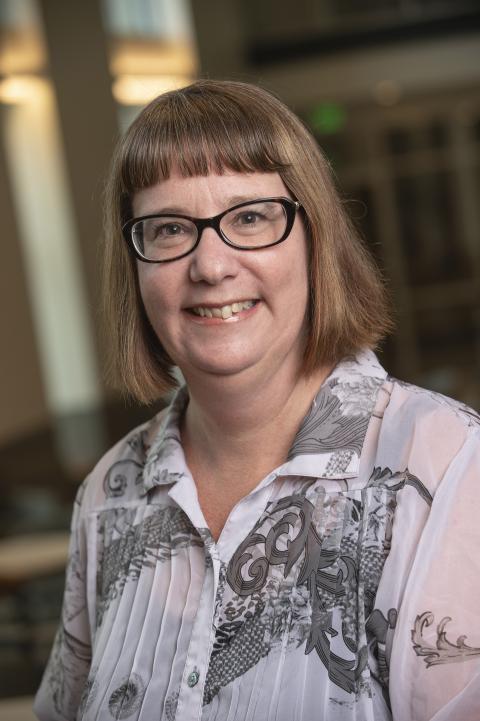
Karen Van Gundy, Ph.D., Department of Sociology UNH
Karen T. Van Gundy is professor of Sociology, core faculty in Justice Studies, and a faculty fellow at the Casey School of Public Policy at the University of New Hampshire. Funded by the National Science Foundation and the New Hampshire Charitable Foundation, her research examines how social contexts shape physical, emotional, and behavioral health among rural and urban youth and emerging adults. Her work appears in scholarly journals such as the Journal of Health and Social Behavior, Rural Sociology, and Substance Use and Misuse, as well as her recently published book, Marijuana: Examining the Facts.
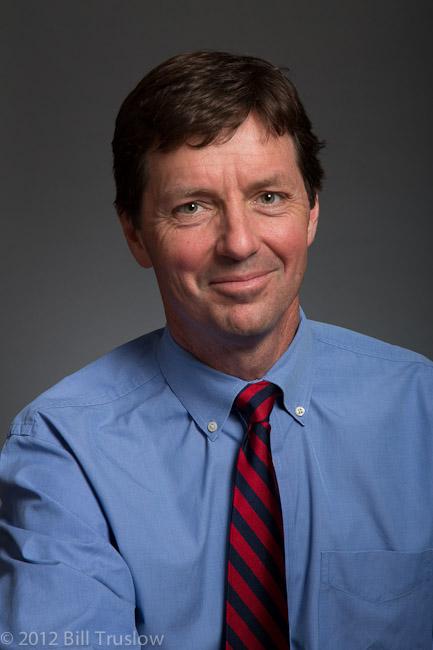
Dr. Thomas Sherman, M.D., NH Medical Society
Licensed in both New Hampshire and Massachusetts, Thomas Sherman has been practicing medicine for over 30 years as a Board Certified Gastroenterologist. As such, he has been recognized with numerous awards including a Distinguished Advocacy Award from the American Cancer Society NH Cancer Action Network; The Knowlton Incentive for Excellence Award; the Internal Medicine Award; and the James E. C. Walker Award. In addition, Dr. Sherman has been recognized as a “Top Doctor” by New Hampshire Magazine, U.S. News and World Report, Northern Virginia Magazine, and Washingtonian Magazine. In addition to his distinguished career as a physician, Dr. Sherman was also elected to the New Hampshire State Legislature as a Representative for Rockingham District 24 where he was appointed to several committees, including the Committee on Health, Human Services, and Elderly Affairs; the Governor’s Advisory Board, New Hampshire Statewide Innovation Model Grant; the Commission to Study Expansion of Medicaid Eligibility to which he was appointed Commissioner by the Speaker of the House. Dr. Sherman was also appointed by the New Hampshire Speaker of the House to a seat on the Joint Task Force for the Response to the Heroin and Opioid Epidemic.
Kevin Irwin, Board of Directors, Hope on the Haven Hill, NH
For the last 25 years Kevin Irwin has been working at the intersections of public health policy, research and practice as a teacher, researcher, trainer, consultant, advocate, program-builder and service provider, always focused on improving the health and wellbeing of vulnerable populations. Throughout his career he has worked closely with people who use opioids and the programs that serve them. This work included early efforts to integrate substance use and mental health treatment, expanding access to quality medication-assisted recovery, building and supporting syringe services programs and community-based naloxone access across the US and overseas, primarily in the Russian Federation, India and Brazil. After working as a substance use counselor Kevin served as a Research Associate in the Yale University School of Public Health, as faculty of the Community Health Program at Tufts University, and as Senior Program Manager for the Corporation for Supportive Housing. He currently serves as the Director of Operations for the Region Six Integrated Delivery Network (IDN), a Medicaid Waiver program aimed at building capacity and new models of care to integrate behavioral health, primary care and social services. In New Hampshire, Kevin has been privileged to serve on the Governor’s Commission on Alcohol, Drug Abuse Prevention, Treatment and Recovery; Chair of the Board of Directors at Hope on Haven Hill; Chair of the NH Harm Reduction Coalition; Commissioner for the Dover Housing Authority; member of the Steering Committee of the Greater Seacoast Coalition to End Homelessness; and former Chair of the Advisory Board for SOS Recovery Community Organization.
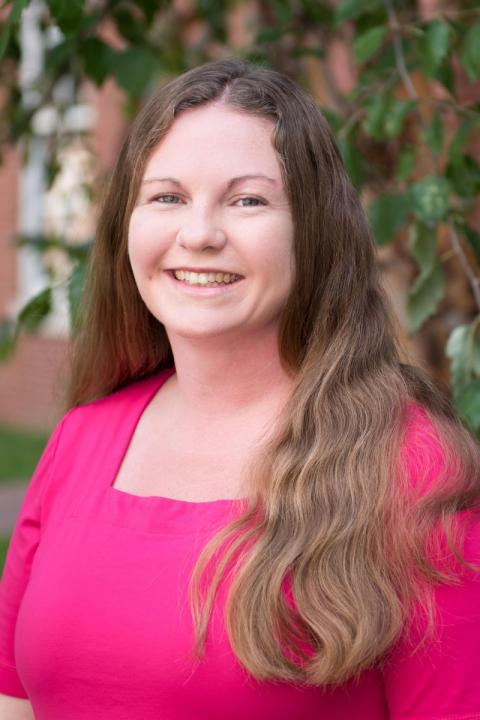
Kerry Nolte, Ph.D., FNP-C, Nursing, UNH (moderator)
Kerry Nolte is an assistant professor of nursing at the University of New Hampshire and a Family Nurse Practitioner. Her research interests focus on communication and harm reduction. Her clinical background is as a Family Nurse Practitioner at a Federally Qualified Community Health Center. In her clinical work, Kerry is particularly concerned with engagement in care and supporting people who use drugs. Kerry is a founding member of the New Hampshire Harm Reduction Coalition that has established a syringe service program to support people who use drugs in the Seacoast area.
Thursday, October 11
5:30 p.m., MUB Theatre II
Re-framing the Opioid Crisis in Historical Perspective
Bruce K. Alexander, Ph.D., Professor Emeritus, Simon Fraser University
Presenter:
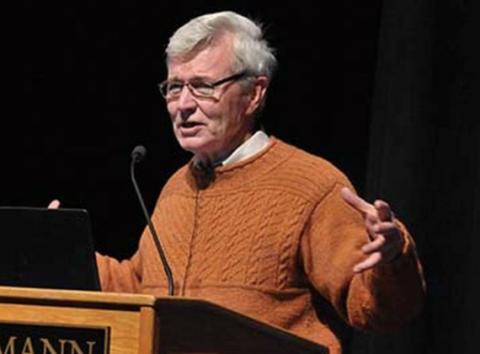
Bruce Alexander has explored many corners of the addiction field for almost half a century. Beginning in 1970, he has counselled hard-core heroin addicts in Vancouver’s darkest streets and prisons; conducted psychopharmacological research (the “Rat Park” experiments); conducted field research on cocaine use for the World Health Organization; critically analysed theories of addiction by ancient philosophers and modern researchers; interviewed university students about their diverse addictions, investigated the “temperance mentality” through questionnaire research in several countries, served on the Boards of Directors of NGOs in Vancouver’s Downtown Eastside.
He has published three books, Peaceful Measures: Canada’s Way Out of the War on Drugs (University of Toronto Press, 1990), The Globalization of Addiction: A Study in Poverty of the Spirit (Oxford University Press, 2008), and A History of Psychology in Western Civilization (Cambridge University Press, 2015, co-author Curt Shelton). Since retiring from the university as Professor Emeritus in 2005, Alexander has spoken frequently in Canada, Europe, and the United States. He posts many of his recent speeches on his website, brucekalexander.com. He was awarded the Sterling Prize for Controversy in 2007.
Thursday, October 25
5:30 p.m., Murkland 115
Pain, Misuse, and Abuse:
Exposing Communication Practices Driving the Opioid Epidemic
Wayne Beach, Ph.D., School of Communication, San Diego State University
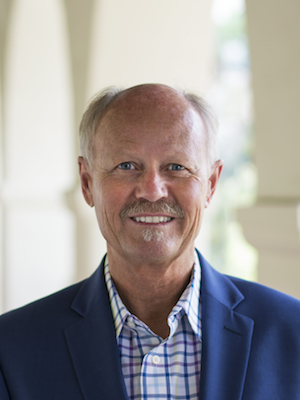
Dr. Beach is Professor in the School of Communication at San Diego State University and Director of the Center for Communication, Health, & the Public Good. He is also faculty on the SDSU/UCSD Joint Doctoral Program in Public Health, Adjunct Professor, Department of Surgery, and Member of the Moores Cancer Center, University of California, San Diego (UCSD). He has promoted Conversation Analysis (CA) across the communication discipline and social/medical sciences, drawing attention to the fundamental importance of studying the organization of everyday talk and social actions in ordinary conversations and diverse institutional interactions. A particular concern with health and illness has given rise to long-term and current investigations such as how family members talk through cancer on the telephone, patient-doctor interactions during preventive and oncology interviews, and an emerging focus on communication, genetic counseling, and family decision-making about managing uncertain futures and health risks.
Translations of his work for the public good include When Cancer Calls…, a professional theatrical production adapted from naturally occurring phone calls, that has been viewed and experienced by thousands of persons and is currently being developed into an innovative educational resource for the NCAA. A recently completed documentary film, A Journey Through Breast Cancer, has involved a unique collaboration with a patient and her family, an Emmy Award winning film maker, a surgeon, and medical team members within the Comprehensive Breast Health Center at UCSD Moores Cancer Center.
External funding for Dr. Beach’s research has been awarded from the National Institutes of Health (NIH)/National Cancer Institute (NCI), the American Cancer Society (ACS), and several philanthropic foundations in San Diego. Among his many awards are three Outstanding Scholarship and the 2018 Distinguished Scholar awards from the National Communication Association (NCA).
Spring 2019
Reframing the Debate
February 19, 2019
5:30 p.m., MUB Theater 1
Towards an Ecological Understanding of Addiction
Darin Weinberg, Ph.D., Department of Sociology, University of Cambridge
Presenter:
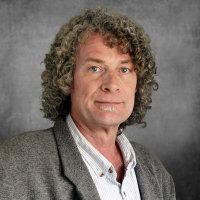
Dr. Darin Weinberg received a BA in Sociology and Communications from the University of California, San Diego in 1984; an MSc in Social Philosophy from the London School of Economics in 1985, and a PhD in Sociology from U.C.L.A. in 1998. After teaching for three years at the University of Florida, he joined the Faculty of Social and Political Sciences (now HSPS) as a University Lecturer in 2000. He held a Lindesmith Fellowship for Drug Policy Studies, from the Lindesmith Center of the Open Society Institute in 2000-2001. He has been a Fellow of King's College since 2001, and a Reader in the Department of Sociology since 2012.
In 2011 Darin won the Melvin Pollner Prize in Ethnomethodology from the American Sociological Association's Section on Ethnomethodology and Conversation Analysis for his book Of Others Inside and the Outstanding Article Award from the Social Problems Theory Division of the Society for the Study of Social Problems. In 2018 Darin again won the Melvin Pollner Prize in Ethnomethodology for his book Contemporary Social Constructionism.
March 5, 2019
5:30 p.m., MUB Theater I
Opiophobia vs. Overprescribing: Competing Risks and the Pursuit of Moral Medicine
S. Scott Graham, Ph.D., Department of Rhetoric and Writing, University of Texas at Austin
Presenter:
S. Scott Graham is an assistant professor in the Department of Rhetoric & Writing at the University of Texas at Austin. He is also the developer and curator of conflictmetrics.com, a biomedical research funding visualization initiative. He researches how experts and public stakeholders communicate about risk and uncertainty as part of science-policy decision making. Scott’s recent book, The Politics of Pain Medicine(2015, University of Chicago Press) chronicles three years of ethnographic research and nearly ten years archival research into interdisciplinary pain medicine and related public policy. He explores the resonance between pain science’s efforts to establish an integrated mind/body approach to treating pain and the new materialist movement in science and technology studies.
April 2, 2019
5:30 p.m., MUB Theater II
The Fate of Drug Policy Reform in a Time of Trump
Craig Reinarman, Ph.D., Professor Emeritus, University of California at Santa Cruz
Presenter:

Craig Reinarman is Professor Emeritus of Sociology and Legal Studies at the University of California, Santa Cruz. He was a Post-Doctoral Fellow at the Alcohol Research Group in the School of Public Health at the University of California, Berkeley. He has been a visiting professor at the University of Amsterdam and the University of Utrecht, a visiting scholar at the Center for Drug Research at the University of Amsterdam, and principal investigator on research grants from the National Institute of Drug Abuse and the National Institute of Justice. He has also been a consultant to the World Health Organization’s Substance Abuse Program and a member of the Board of Directors of the College on Problems of Drug Dependence. Dr. Reinarman is the author of American States of Mind (Yale University Press, 1987) and co-author of Cocaine Changes (Temple University Press, 1991) and Crack in America (University of California Press, 1997). His most recent book is a co-edited anthology of critical addiction studies called Expanding Addiction (Routledge 2015).
Sponsored by the UNH Center for the Humanities and the Departments of Sociology and Communication.
The organizers for this year’s series are Karen VanGundy (Department of Sociology), Michelle Gibbons (Department of Communication), Mardi Kidwell (Department of Communication), Donna Perkins (Justice Studies Program), and Edward Reynolds (Department of Communication). The series will bring together collaborators from across the College of Liberal Arts, as well as faculty from outside the college (Carsey School of Public Policy, Nursing) to ask: What can the Liberal Arts bring to the table in addressing the opioid crisis? How can our modes of inquiry, humanistic sensibilities, and ways of understanding and conceptualizing a problem address this particular issue in practical and insightful ways? The organizers’ goal is to use the Sidore series to prompt and guide campus-wide conversations about the opioid crisis that blend the interdisciplinary expertise of UNH faculty with that of national and local scholars, professionals, and stakeholders. In so doing, they seek to reframe New Hampshire’s opioid crisis from one of scandal and corruption to one of serious intellectual and compassionate deliberation.
The Saul O Sidore Memorial Lecture Series was established in 1965 in memory of Saul O Sidore of Manchester, New Hampshire. The purpose of the series is to offer the University community and the state of New Hampshire programs that raise critical and sometimes controversial issues facing our society. The University of New Hampshire Center for the Humanities sponsors the programs.
2017-2018 Who Owns the Past Series
The organizers describe the urgency of the topic this way: "While human lives are at risk every day, so too is the cultural heritage created by past cultures and societies, ones that are important not only for scholarly interest but also for the identity of present cultures.” Some questions speakers will address over the year are Why do we—and should we—care about ancient monuments and culture when confronted with similarly urgent problems with what might be called "real-life" consequences? And if we decide that the past is worth preserving, who has the right and responsibility to take on these challenges, and how can such preservation be effectively accomplished?'"
KEYNOTE
September 26 7:00-8:30 p.m.
MUB Theater II
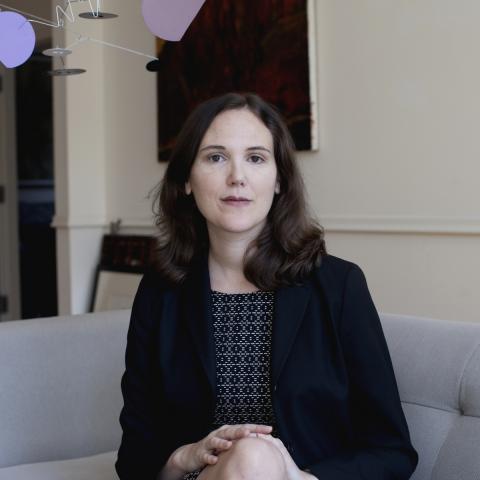
Who Owns Palmyra?
Erin Thompson, Assistant Professor of Art Crime, John Jay College of Criminal Justice
Wednesday, October 18, 2017
5:30 p.m., MUB Theatre I
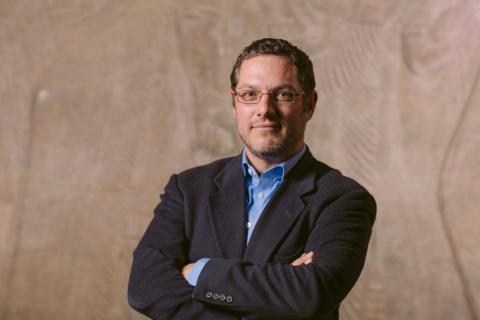
Satellite Monitoring of Archaeological Damage and Looting in the Syrian Civil War
Jesse Casana, Dartmouth College
Monday, November 20, 2017
7:00 p.m., MUB Theatre II
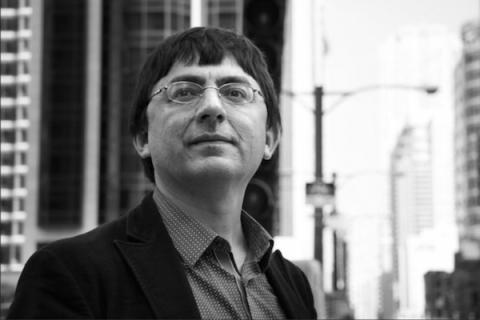
Disposable Landscapes, Disposable Heritage: Politics of the Ancient Past in the Anthropocene
Ömür Harmansah, UIC

Wednesday, February 14, 2018
7:00 p.m., MUB Theatre I
Cultural Heritage in Conflict Zones: Protecting the Past for the Future
James Cuno, J. Paul Getty Trust
Monday, March 26, 2018
7 p.m., MUB Theatre
Lost vs. Found: Loot in U.S. Museums
Zoe Kontes, Kenyon College
Tuesday, April 17, 2018
12:40-2 PM, MUB Theatre II
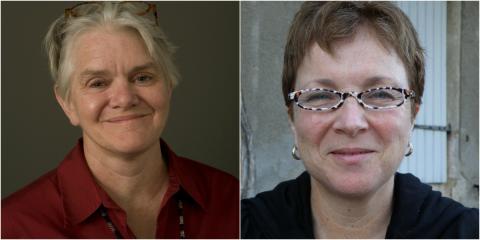
Panel: "Protecting the Past"
Susan Ackerman, Dartmouth
Laetitia La Follette, U-Mass Amherst
The Saul O Sidore Memorial Lecture Series was established in 1965 in memory of Saul O Sidore of Manchester, New Hampshire. The purpose of the series is to offer the University community and the state of New Hampshire programs that raise critical and sometimes controversial issues facing our society. The University of New Hampshire Center for the Humanities sponsors the programs.
2016-17 "Who's Human Now?" Series
Who's Human Now?
Historical and Philosophical Ideas About Humanity and Personhood
Calling someone a person is said to give us special reasons to afford them a certain kind of treatment. Sometimes it is said to constrain our behavior towards them, or to obligate us to advance their interests. In other cases calling someone a person means that we regard them as, in at least some cases, responsible for the things that they do. Overall persons are said to have a kind of value—a kind of value that is, as Kant said, “beyond all price.” In short, persons possess dignity, at least in theory.
When we call someone a person, what do we mean, and what are we trying to do? Legally, politically, and socially, who counts as a person now, and who will count as a person in the future? These questions motivate this year's Sidore Lecture Series, organized by professors Julia Rodriguez (Department of History), Ruth Sample (Department of Philosophy), and Charlotte Witt (Department of Philosophy; Department of Classics, Humanities, and Italian Studies).
Featured speakers and videos of their talks (where available) are below.
Thursday, September 29
Priscilla Wald, R. Florence Brinkley Professor of English, Duke University
From Angels to Replicants: “What is Human Now?”
2:15 p.m. in MUB Theater II
Thursday, October 27
Anita Superson, Professor of Philosophy, University of Kentucky
Feminism and Liberalism on Bodily Autonomy: Not Such Strange Bedfellows After All
2:15 p.m. in MUB Theater II
Tuesday, February 14
Elizabeth Lunbeck, Professor of the History of Science in Residence at Harvard University
“Acting Human”: The Psychopath and the Rest of Us
3:40 p.m. in MUB Theater II
Tuesday, March 7
David Livingstone Smith, Professor of Philosophy, University of New England in Biddeford, Maine
Less Than Human or Defectively Human? Thoughts on the Denigration of Women
Mari Mikkola, Professor for Practical Philosophy at the Humboldt-Universität zu Berlin
Treating Someone as Something: Dehumanization and Objectification
3:40 p.m. in MUB Theater II
Tuesday, March 28 (Rescheduled from November)
Steven M. Wise, President of the Nonhuman Rights Project
The Nonhuman Rights Project's Struggle to Attain Legal Rights for Nonhuman Animals
3:40 p.m. in Richards Auditorium (Murkland 115)
Tuesday, April 25
Lori Gruen, William Griffin Professor of Philosophy, Coordinator of Wesleyan Animal Studies
The Politics of Personhood: Who Counts and What's at Stake?
3:40 p.m. in MUB Theater II
The Saul O Sidore Memorial Lecture Series was established in 1965 in memory of Saul O Sidore of Manchester, New Hampshire. The purpose of the series is to offer the University community and the state of New Hampshire programs that raise critical and sometimes controversial issues facing our society. The University of New Hampshire Center for the Humanities sponsors the programs.
2015-2016 Personal Genomic Medicine Series
Personal Genomic Medicine
This year's series is being organized by Professor Kelley Thomas, Director of the Hubbard Center for Genome Studies and Professor Rick Cote, Chair of the Department of Molecular Cellular and Biomedical Sciences.
With the success of the Human Genome Project and advances that permit individuals to have their genetic code determined, the era of personal genomics is already upon us. Leading scholars representing multiple areas of human genome and microbiome research will outline and navigate the current state of knowledge. The series will explain how the genomic revolution will affect our lives, and will stimulate debate of the scientific, medical, ethical, legal, and societal implications of sequencing human genomes.
The following talks have been scheduled. Please check back for final locations, times, and talk descriptions.
Gut Feelings: How the Microbiome Influences Behavior
October 14, 2015
3:10-4:00 in MUB Theater I
VIEW LECTURE SLIDES
Dr. Jane A. Foster, Brain-Body Institute, McMaster University
Personalized Medicine: Using Omics and Big Data to Understand Disease and Manage Health
December 7, 2015
3:10-4:00 in MUB Theater I
Dr. Michael Snyder, Director, Stanford Center for Genomics and Personal Medicine
Implementing ‘Precision’ Medicine: Ethical Concerns in a Postgenomic World
February 10, 2016
Dr. Barbara Koenig, Institute for Health and Aging, UCSF
The Dog Genome: Shedding Light on Human Diseases
March 9, 2016
Dr. Elaine Ostrander, Head of Comparative Genetics, NIH
Probing Human Ancestry with Ancient DNA
April 27, 2016
Dr. John Hawks, University of Wisconsin
The Saul O Sidore Memorial Lecture Series was established in 1965 in memory of Saul O Sidore of Manchester, New Hampshire. The purpose of the series is to offer the University community and the state of New Hampshire programs that raise critical and sometimes controversial issues facing our society. The University of New Hampshire Center for the Humanities sponsors the programs.

A gallery of six event posters from the Sidore Lecture Series at UNH, advertising talks and film screenings on topics including sexual assault and activism, protest politics in Jordan, the hacktivist group Anonymous, Indigenous language revitalization, Black Lives Matter in education, and disability and natural worlds.
Your Liberty or Your Health?
Exploring the Tensions among Public Health, Individual Liberty, and Governmental Authority
Managing Influenza Pandemics: Past and Future
Roundtable
September 19, 2013
Thursday, 4 p.m., MUB Theater II
Nancy Bristow, Professor of History, University of Puget Sound
Dora Mills, Vice President for Clinical Affairs, Director of Public Health Programs, University of New England
Tim Soucy, Director, Manchester Health Department, Manchester, New Hampshire
The Dilemma of Typhoid Mary: Personal Liberty v. the Public's Health
Quarantine and Typhoid Mary
October 16, 2013
Wednesday, 4 p.m., MUB Theater I
Judith Walzer Leavitt, the Rupple Bascom and Ruth Bleier Professor Emerita, Medical History, History of Science, and Gender and Women's Studies, University of Wisconsin at Madison
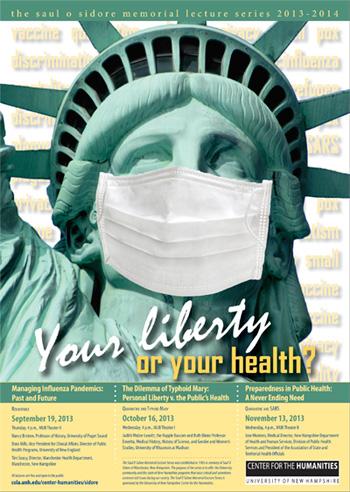
Preparedness in Public Health: A Never Ending Need
Quarantine and SARS
November 13, 2013
Wednesday, 4 p.m., MUB Theater II
Jose Montero, Medical Director, New Hampshire Department of Health and Human Services, Division of Public Health Services and President of the Association of State and Territorial Health Officials
Immunization
Rights, Responsibilities, and Regulations
March 19, 2014
Wednesday, 4 p.m., MUB Theater I
Alan R. Hinman, MD, MPH, Senior Public Health Scientist and Director for Programs, Center for Vaccine Equity, Task Force for Global Health.
The Crime of Refusing Vaccination
Balancing Police Power and Personal Liberty During the Last Great American Smallpox Epidemic
March 27, 2014 (Rescheduled from Feb. 13th)
Thursday, 4:15 p.m., Murkland Hall, Room 115 (Richards Auditorium)
Michael Willrich, PhD, Leff Families Professor of History, Brandeis University.
The Struggles of the Self-Starving Prisoner
The Crisis of Medical Ethics in South Africa, Guantanamo, and Pelican Bays
April 10, 2014
Thursday, 4 p.m., MUB Theater II
Nayan Shah, PhD, Professor and Chair of American Studies and Ethnicity, University of Southern California.
Refugee Health in the U.S.
From International Policies to the Affordable Care Act
April 16, 2014
Wednesday, 4 p.m., MUB Theater I
Paul Geltman, MD, MPH, Staff Pediatrician and Medical Liaison for Inpatient Child Psychiatry; Chair, Pediatric Quality Improvement Committee
Cambridge Health Alliance; Assistant Professor of Pediatrics, Harvard Medical School; Associate Professor of Health Policy and Health Services Research, Boston University Goldman School of Dental Medicine; CHA Department of Pediatrics.
